
Businesses that want to reach mobile users have traditionally faced a choice: build a native app for iOS and Android, or settle for a mobile website that feels like a compromise. Native apps are fast and capable but expensive to build and maintain across platforms. Mobile websites are accessible but often feel sluggish and limited compared to the real thing.
Progressive web apps eliminate that trade-off. A PWA is a web application that uses modern browser capabilities to deliver an experience that looks, feels, and performs like a native app — without requiring users to visit an app store, download anything, or wait for updates.
What Makes a PWA Different
A standard mobile website loads in the browser, requires an internet connection, and disappears when the user closes the tab. A progressive web app goes further.
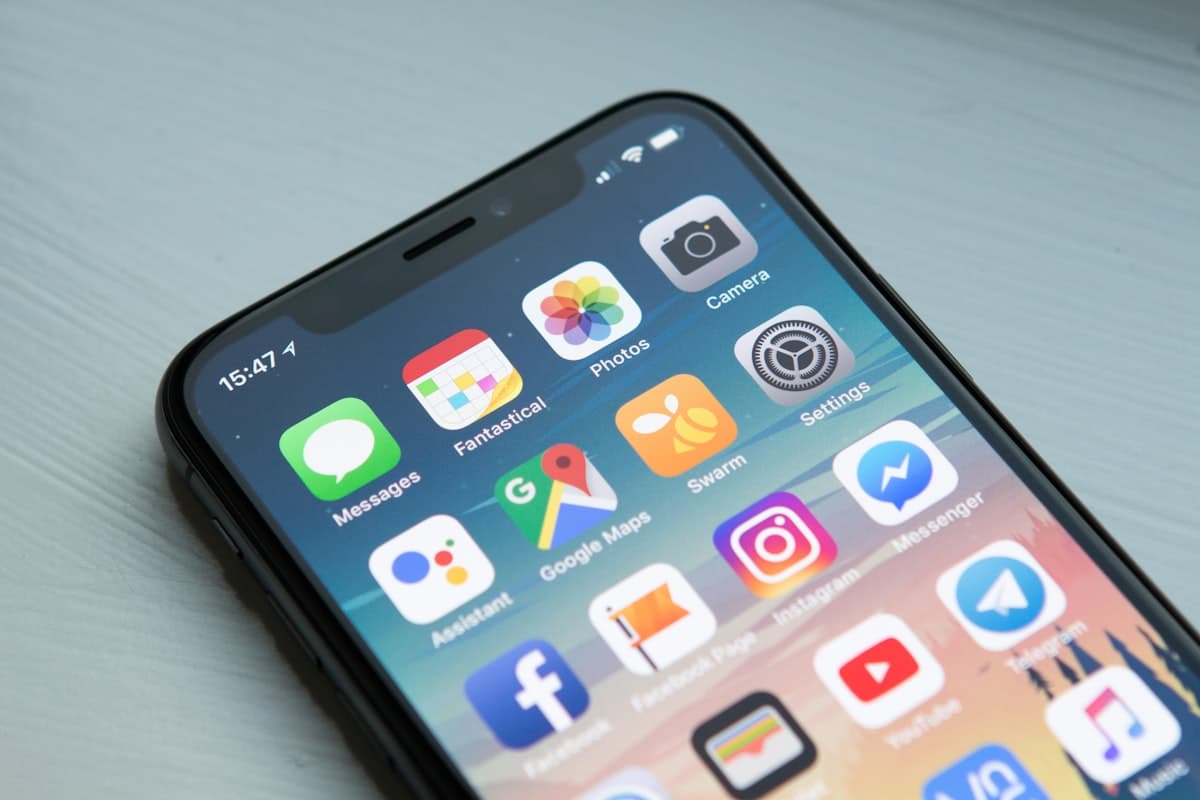
Installable. Users can add a PWA to their home screen directly from the browser. It launches in its own window without browser chrome, just like a native app. No app store listing required. No download wait. No storage warnings.
Offline capable. PWAs use service workers — background scripts that cache key resources and data — to function even when the device has no internet connection. A user can browse cached content, fill out forms, and interact with the interface. When connectivity returns, the app syncs everything automatically.
Fast. Service workers also enable instant loading by serving cached assets instead of fetching everything from the server on every visit. After the first load, a well-built PWA opens almost instantly, regardless of network speed.
Push notifications. PWAs can send push notifications just like native apps, re-engaging users with timely updates even when the app is not open. This capability alone closes one of the biggest gaps between web and native experiences.
Automatic updates. When you deploy a new version of a PWA, users get it the next time they open the app. No update prompts. No version fragmentation. No users stuck on outdated versions because they never opened the app store.
Why Businesses Are Choosing PWAs
The advantages of progressive web apps are not just technical. They translate directly into business outcomes.
Lower Development Cost
Building a native app means building it twice — once for iOS and once for Android — using different programming languages, different toolchains, and often different teams. A PWA is a single codebase that runs everywhere: phones, tablets, desktops, any device with a modern browser.
That is not a small difference. For a mid-size business, the cost of building and maintaining two native apps can easily be two to three times the cost of a single PWA that covers all platforms.
Wider Reach
App stores create friction. Users have to find your app, tap install, wait for the download, and then remember to open it. Every step in that process loses people. PWAs skip the entire funnel — users visit a URL, and they are using the app. If they want to keep it, they add it to their home screen with one tap.
This is especially impactful for businesses where users interact occasionally rather than daily. A restaurant, a retail store, a service provider — these businesses benefit from an app-like experience but struggle to convince users to download a native app they will use once a month.
Better Performance on Slow Networks
PWAs are built with performance as a core principle. Service worker caching, optimized asset loading, and offline capability mean the app works well even on slow or unreliable connections. For businesses with customers in areas with spotty mobile coverage, this is a significant advantage over both traditional websites and native apps that require constant connectivity.
No App Store Dependencies
Publishing a native app means complying with Apple and Google's guidelines, going through their review processes, and paying their fees. App store policies change regularly, and rejections can delay launches by days or weeks. PWAs bypass all of this. You deploy on your own terms, on your own schedule.
Where PWAs Make the Most Sense
Progressive web apps are not the right choice for every application. Apps that need deep hardware access — advanced camera controls, Bluetooth, AR capabilities — still require native development. Games with intensive graphics processing are better suited to native platforms.
But for a wide range of business applications, PWAs are the better option.
E-commerce. Fast loading, offline browsing, push notifications for abandoned carts and promotions, and no app store friction. Major retailers have seen significant increases in conversion rates after launching PWAs.
Content and media. News sites, blogs, and media platforms benefit from instant loading, offline reading, and push notifications that drive return visits.
Internal business tools. Employee-facing applications like dashboards, inventory systems, and field service tools work exceptionally well as PWAs. No app store distribution needed, automatic updates, and offline capability for field workers.
Service businesses. Booking systems, appointment schedulers, and customer portals that need to feel polished but do not justify the cost of native app development.
What You Need to Build a PWA
Converting an existing website into a PWA requires three things.
A service worker. This JavaScript file runs in the background and handles caching, offline functionality, and push notifications. It intercepts network requests and decides whether to serve cached content or fetch fresh data from the server.
A web app manifest. This JSON file tells the browser how your app should behave when installed — the name, icon, theme colors, display mode, and start URL. It is what enables the "Add to Home Screen" prompt and the native-like launch experience.
HTTPS. PWAs require a secure connection. Every page must be served over HTTPS. This is a requirement for service workers to function and is standard practice for any modern web application regardless.
If your application is already built with a modern JavaScript framework like React, Vue, or Next.js, adding PWA capabilities is a relatively straightforward process. The framework handles the heavy lifting, and the service worker and manifest can often be generated automatically.
The Bottom Line
Progressive web apps represent a practical middle ground that did not exist a few years ago. They deliver 80 percent of native app capabilities at a fraction of the cost, with none of the app store overhead.
For businesses that want a mobile presence without the complexity and expense of native development, PWAs are worth serious consideration.
Building Mobile Experiences With Mindwerks
At Mindwerks, we help businesses decide between native apps, progressive web apps, and responsive websites based on what actually makes sense for their users and their budget. When a PWA is the right fit, we build it to perform like a native app with the reach and simplicity of the web.
If you are exploring options for a mobile experience, let us talk. We will help you figure out the right approach and build something your users will actually use.